Make the web
make sense.
Clear, useful guides to the signals behind a better website. Start with the basics, then get practical.
 Infrastructure01
How to find who hosts a website
Start with a domain. Follow the public clues. Find the likely host—and know when the answer needs a little more evidence.
Read the guide Infrastructure02
Cloudflare detected? Find out what it means for hosting.
Cloudflare can manage DNS, proxy traffic, or run the site itself. One Cloudflare clue does not tell you which role applies.
Read the guide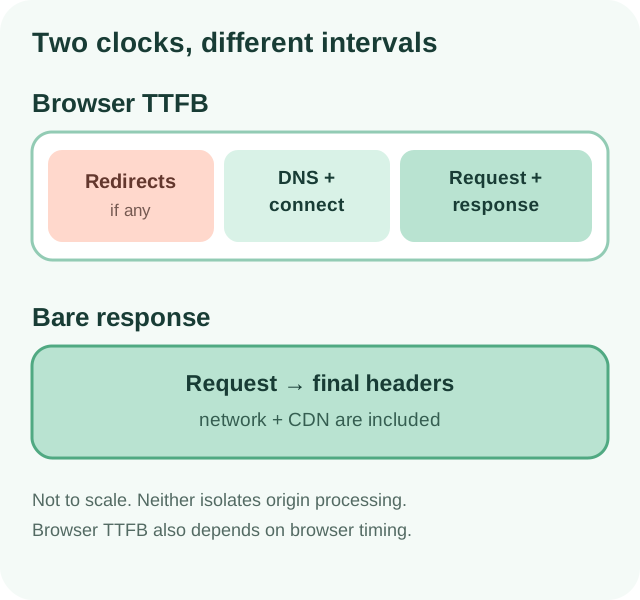 Infrastructure03
Slow server response time? Trace the path before changing hosts.
A slow first response can have several causes. Separate redirects, network delivery, caching and application work before picking a fix.
Read the guide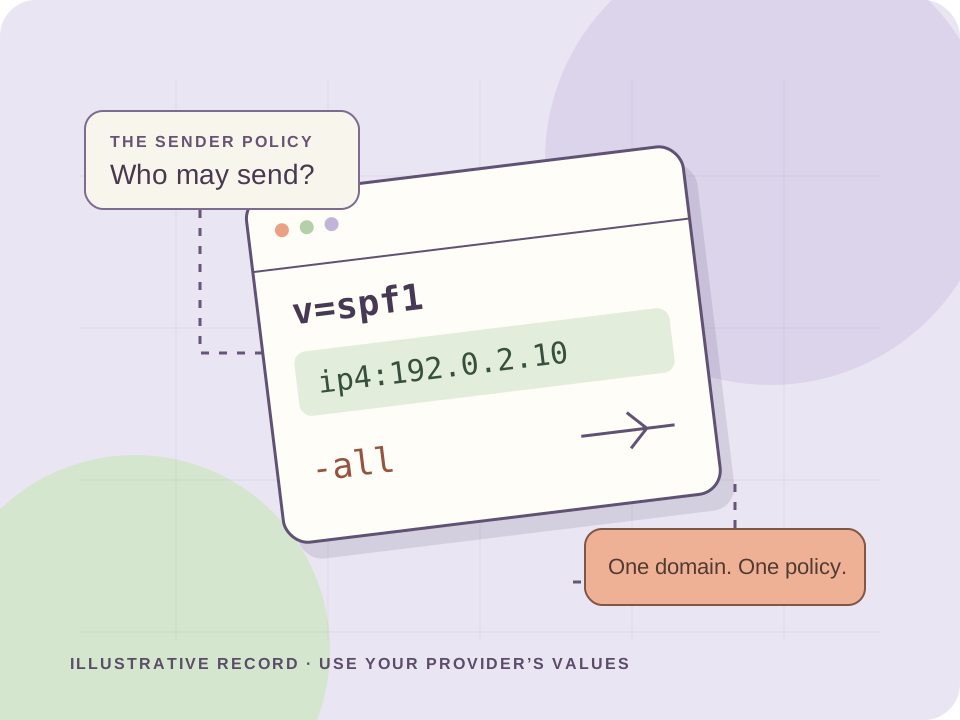 Email04
SPF records, explained.
A clear guide to SPF syntax, sender authorization, and the checks to make before changing DNS.
Read the guide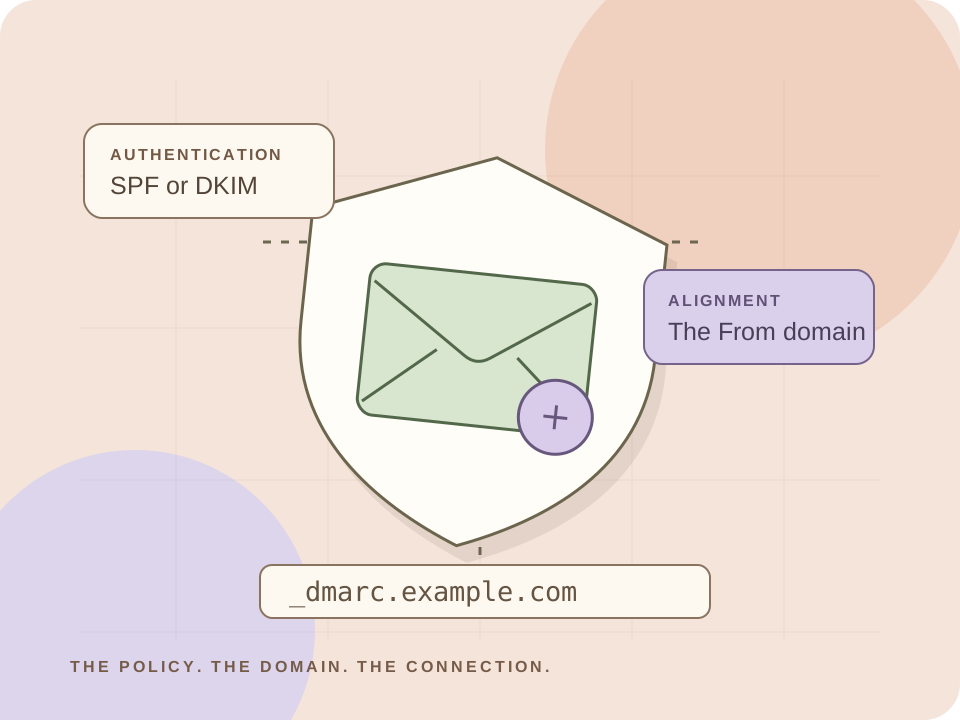 Email05
DMARC records, explained.
Understand DMARC policy and alignment, then plan changes from real sending evidence and provider guidance.
Read the guide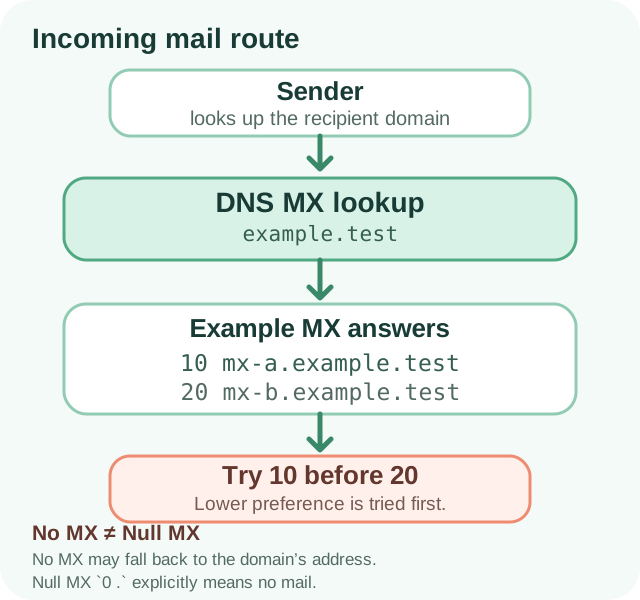 Email06
MX records, explained.
MX records point senders toward mail servers. Read their priorities, distinguish no MX from Null MX, and change routing without interrupting delivery.
Read the guide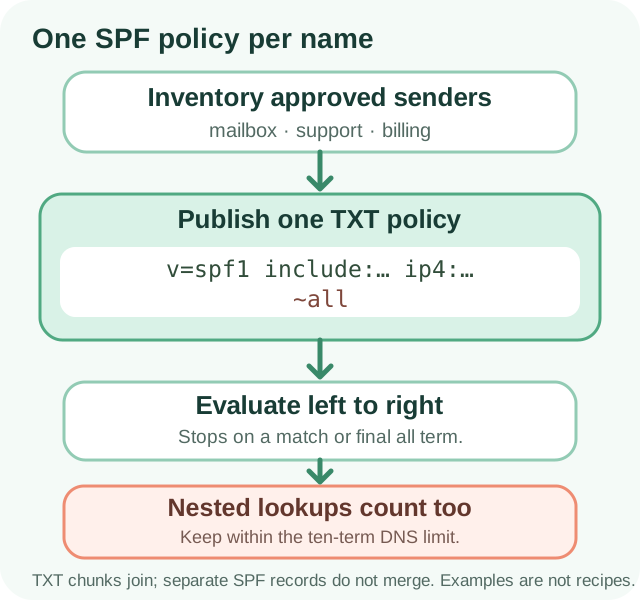 Email07
Multiple SPF records? Fix the policy safely.
Two SPF records at one name do not merge. Inventory authorized senders, combine only verified instructions, and review nested DNS lookups before changing policy.
Read the guide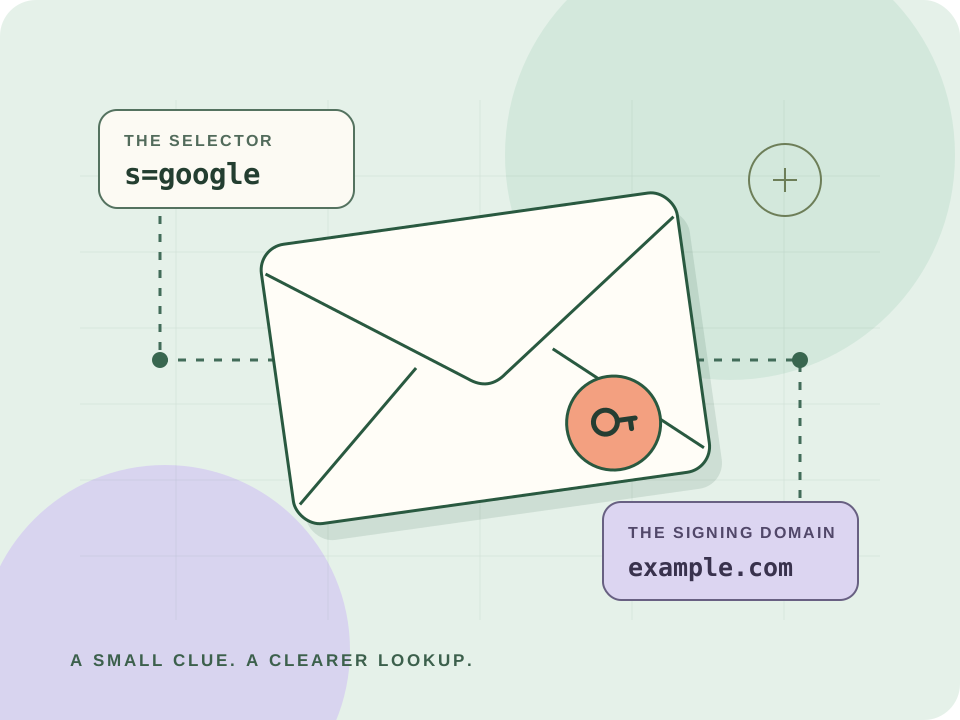 Email08
How to find your DKIM selector
The clue is already in your email. Find the selector, pair it with the signing domain, and look up the right DNS record.
Read the guide Performance09
Why website speed matters.
Every second has a story. Make the next step feel easy for the people visiting your website.
Read the guide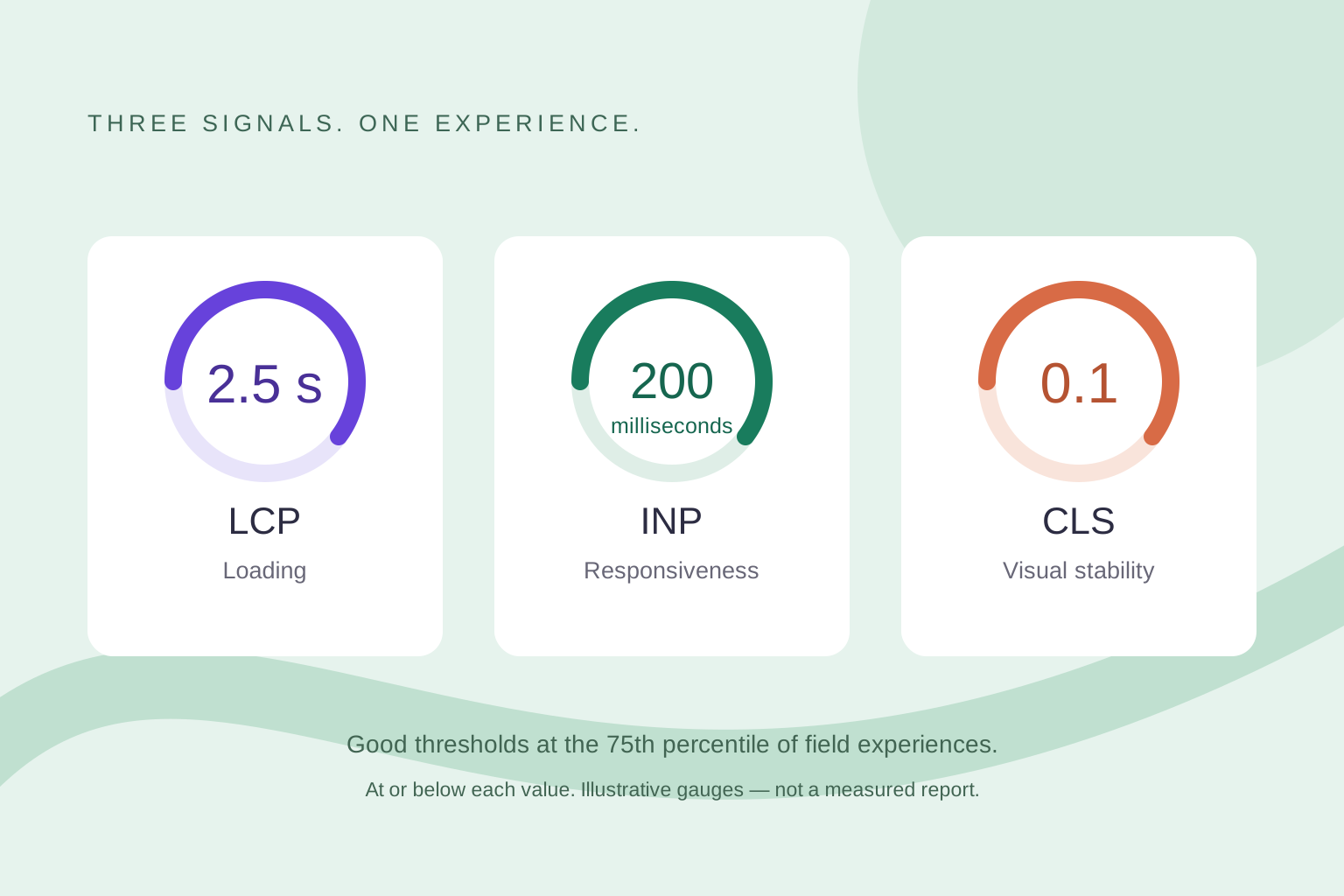 Metrics10
Three metrics. A clearer picture.
Loading, responsiveness, and stability: understand what LCP, INP, and CLS actually tell you.
Read the guide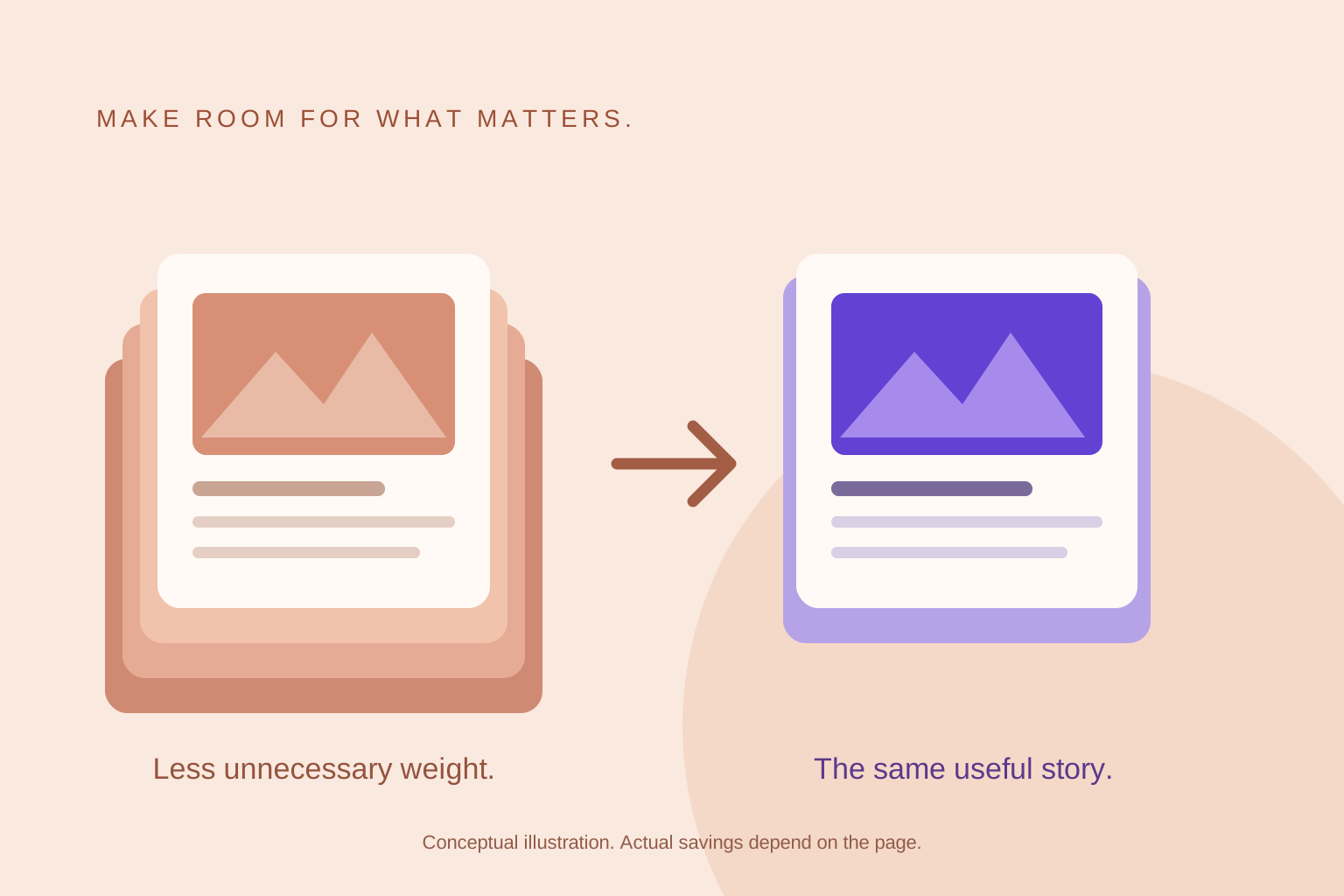 Page weight11
Good design travels light.
Reduce unnecessary bytes without stripping away the things your visitors came for.
Read the guide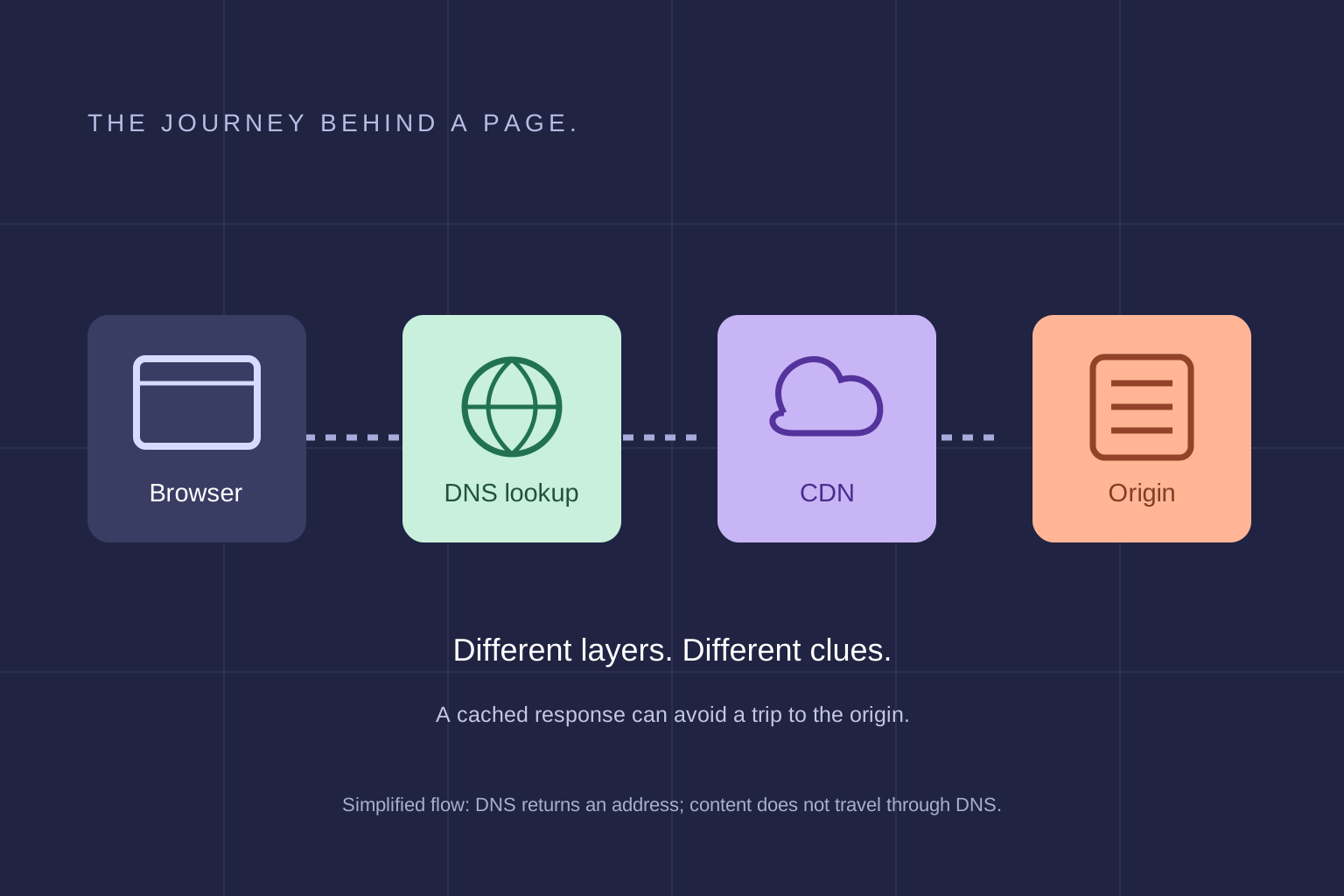 Infrastructure12
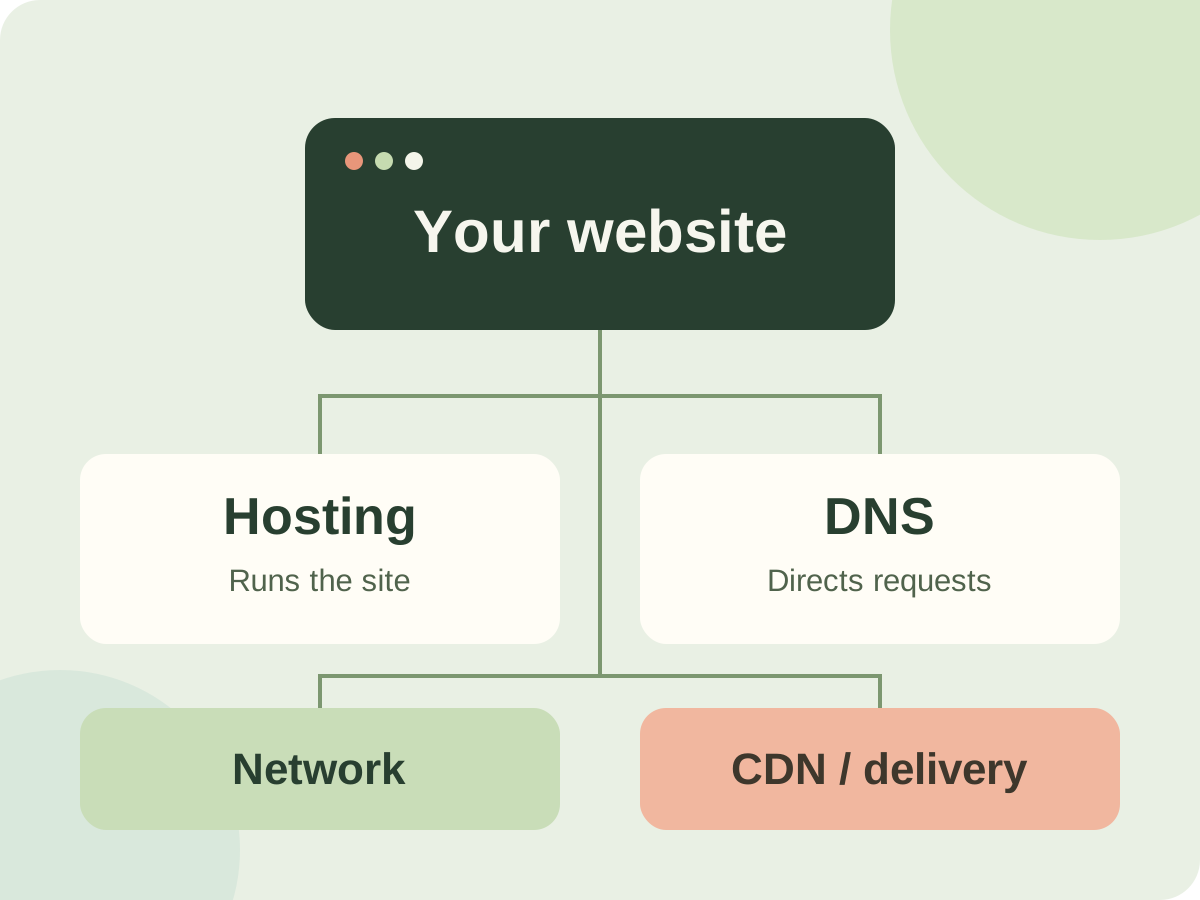
DNS, hosting & CDN. Know the difference.
DNS, CDN, and hosting work together. Here’s how to read the clues without jumping to conclusions.
Read the guide